Nu River Vi Domarna
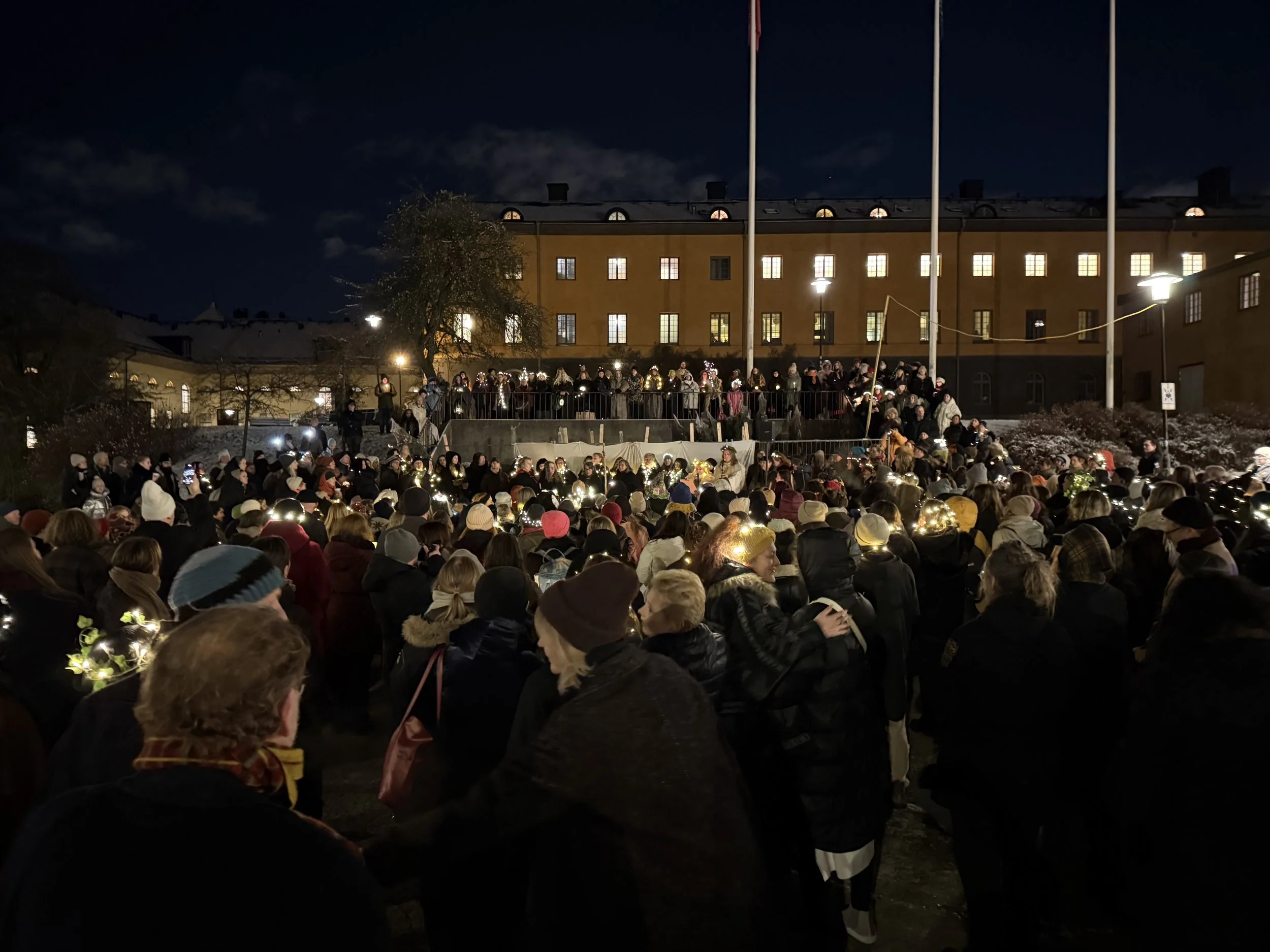
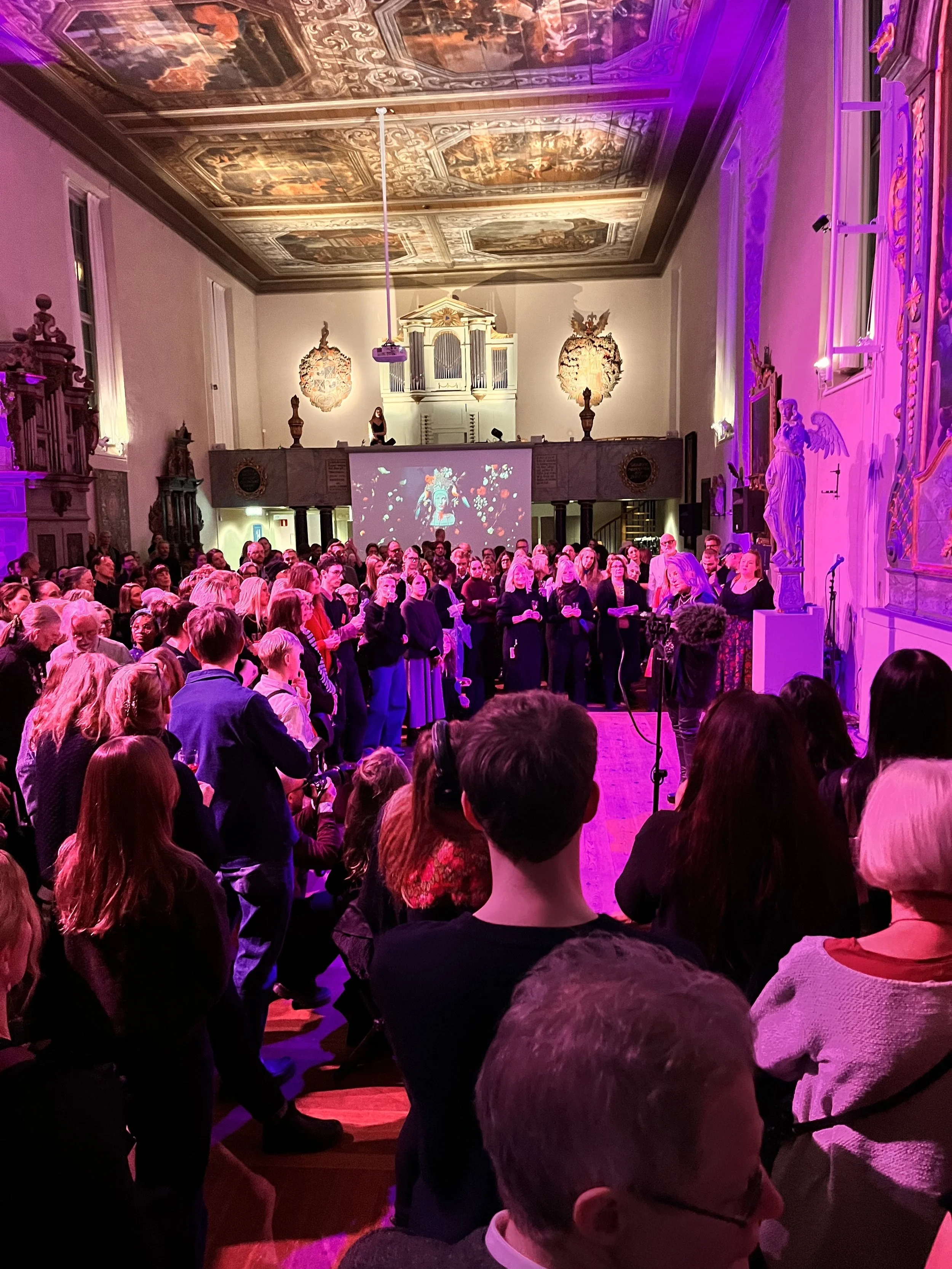
Nu river vi domarna was our first public performance and ceremony, presented on 4 December 2024 in collaboration with the Swedish History Museum in Stockholm on the opening night of the exhibition Witches.
About the Swedish Witch Trials
The Swedish witch trials were a period of mass hysteria that swept through large parts of the country between 1668 and 1676. In seventeenth-century Sweden, the word häxa (witch) had only recently begun to enter the Swedish language, and the trials were therefore referred to as trolldomsprocesser, or sorcery trials. People believed to possess knowledge of magic had long been known by various names, including trollkonor, trollgubbar and trollkvinnor — historical Swedish terms for women and men associated with sorcery and magical practices.
Approximately 300 people were executed during the Swedish witch trials, more than 90 per cent of them women. Most of those accused were ordinary people who practised no more sorcery than anyone else in their communities. Records also exist of individuals sentenced to death for sorcery in Sweden both before and after this intense eight-year period. These cases, however, were more isolated and dispersed, and are therefore generally not considered part of the Swedish witch trials.
Numerous records have survived from the Swedish witch trials, including witness statements, interrogations of the accused and court proceedings. Considerable research has been conducted and published on the trials, both in Sweden and internationally. Subjects such as magic, occultism and folk beliefs continue to fascinate people, but many have also sought to understand how such episodes of mass hysteria could arise. There is no single, definitive answer, only different theories.
It is painful to reflect on how institutions such as the Church and the monarchy played a role in the witch trials, and how readily ordinary people joined in the accusations. Campaigns of hatred in which people blame and target others, often those who deviate from prevailing social norms, have occurred both before and after the witch trials, including in modern times.
When we are unaware of the mistakes of the past, we risk repeating them. Preventing this is our foremost reason for creating this memorial.
The Memorial Garden
We have also established a memorial garden in Södermalm, Stockholm, in memory of the women and children who were accused of witchcraft and executed in Stockholm.
You can read more about the project at www.malinmatsdotter.se.
A Nationwide Ritual for Justice
In April 2026, we organised a nationwide ritual calling for legal justice through benådning — the granting of clemency or a pardon. More than 600 contemporary witches took part in this collective act, working together with a judge and a public prosecutor to call for justice for those condemned during the witch trials.
Through ritual, collective action and the reclaiming of our history, we continue to challenge the injustices of the past and explore how historical wounds might begin to heal.